Low cost Avocado Tree Climate in Delhi, NCR | RAYNAS AGROTECH
Low cost Avocado Tree Climate in Delhi Climate Selection,Microclimate Management
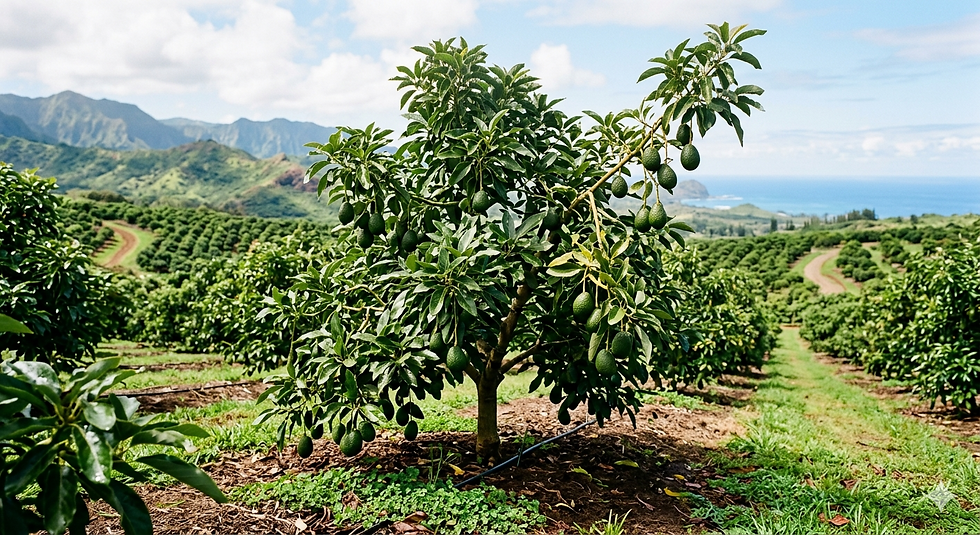
The climate requirements of avocado trees are central to their successful cultivation, as these trees thrive only under specific environmental conditions. Avocados prefer subtropical and tropical climates with moderate rainfall and temperatures ranging between 15°C and 30°C. Extreme cold or frost can damage the tree, while excessive heat may stress its growth. Understanding the purpose of avocado tree climate ensures that growers select suitable regions for planting, reducing the risk of crop failure. In India, states like Kerala, Karnataka, and Maharashtra provide favorable climates, making them ideal for avocado farming. By aligning cultivation with climate suitability, farmers and gardeners can achieve healthier trees, faster fruiting, and consistent yields. Thus, the purpose of avocado tree climate is to establish the foundation for sustainable growth and long-term productivity.
Avocado tree climate plays a vital role in determining fruit quality and yield. Proper temperature and humidity levels influence flowering, pollination, and fruit development. If the climate is too cold, flowers may drop prematurely, reducing fruit production. Conversely, excessive heat or drought can lead to poor fruit set and smaller yields. The purpose of understanding climate is to ensure that trees are grown in environments where they can produce high-quality avocados consistently. Farmers who recognize these climate needs can plan irrigation systems, shade management, and soil care to support optimal growth. For home gardeners, knowing the climate requirements helps them decide whether avocados can thrive in their region or if protective measures are necessary. Ultimately, climate knowledge ensures that avocado cultivation leads to healthy harvests rather than wasted effort.
The purpose of avocado tree climate also extends to resource management. By understanding the environmental needs of the tree, farmers can optimize water usage, soil preparation, and fertilizer application. Avocados are sensitive to waterlogging, so climate awareness helps growers plan drainage systems and irrigation schedules that match rainfall patterns. In regions with dry summers, drip irrigation becomes essential to maintain soil moisture without overwatering. Climate knowledge also guides mulching practices, which help retain moisture during hot seasons and protect roots during colder months. By aligning cultivation practices with climate conditions, growers reduce resource wastage and improve sustainability. This careful management ensures that avocado trees not only survive but thrive, producing fruit efficiently while conserving water and soil health.
Regional adaptation is another purpose of avocado tree climate, as it determines where cultivation can expand successfully. In India, certain regions naturally provide the right conditions, while others require adjustments such as microclimate creation. Farmers may use windbreaks, shade nets, or companion planting to protect avocado trees from harsh weather. These methods help trees adapt to climates that are not naturally ideal, expanding the potential for avocado farming beyond traditional zones. By studying climate patterns, nurseries and agricultural experts can recommend suitable varieties for specific regions, ensuring better survival rates. This adaptation not only supports local food production but also reduces reliance on imported avocados. Thus, climate serves as a guiding factor in expanding cultivation sustainably and strategically across diverse regions.
Low cost Avocado Tree Climate in Delhi, NCR.Growth and Survival,Fruit Production avocado tree climate zone,avocado tree climate adaptation,best climate for avocado tree in India
Low cost Avocado Tree Climate in Delhi, NCR.|Climate Selection,Microclimate Management